
What Is White Balsamic Vinegar?
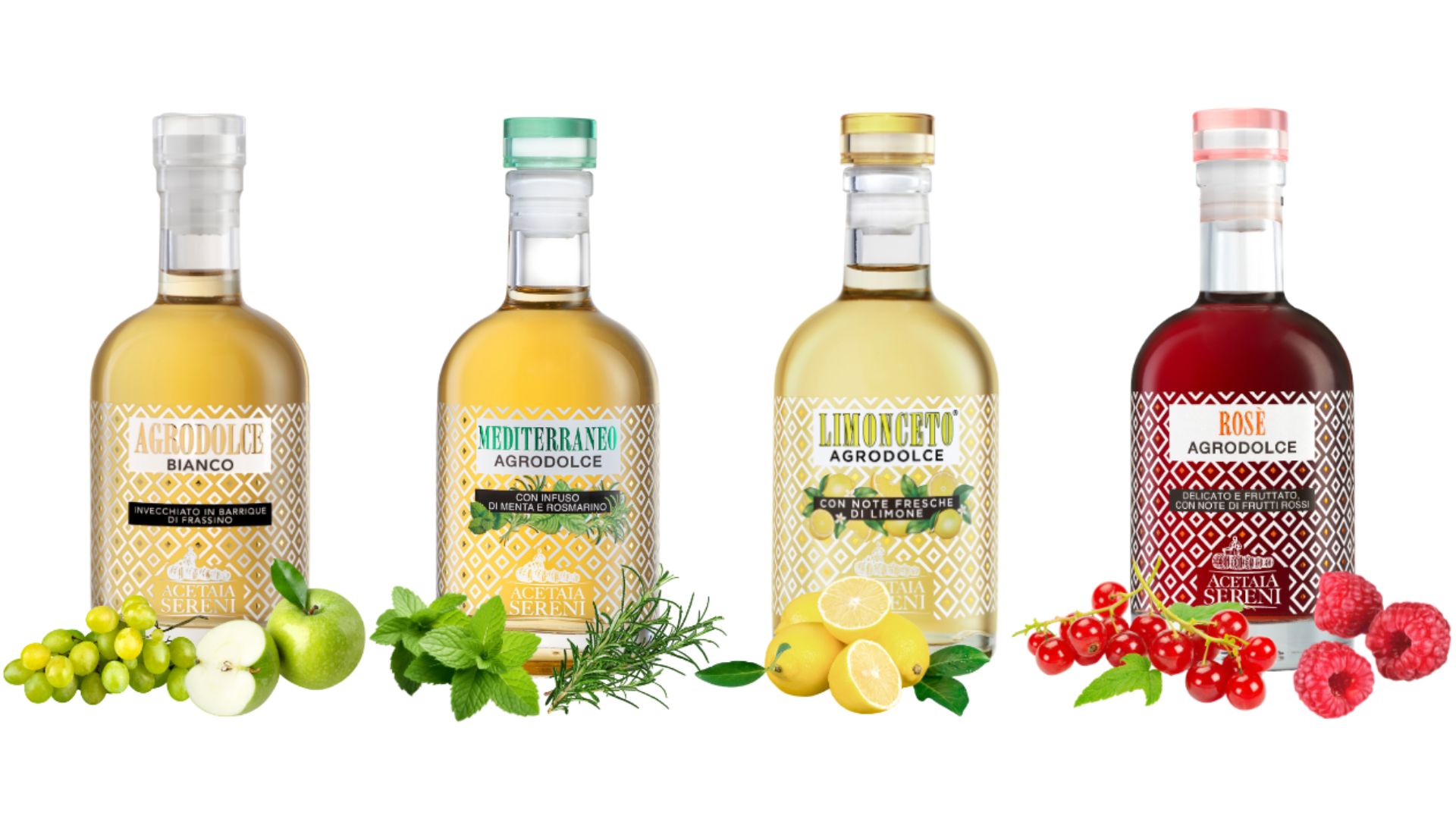
What is white balsamic vinegar?
White balsamic vinegar is a light-coloured condiment made from grape must and wine vinegar, produced using a controlled heating process that limits caramelisation. Unlike traditional dark balsamic vinegar, it preserves a pale golden colour and a fresher aromatic profile.
Although widely marketed as white balsamic vinegar, in Europe it is typically sold as Condimento Bianco, as it does not meet the legal requirements of protected DOP balsamic vinegar.
Understanding what white balsamic vinegar is requires examining its production method, regulatory classification, and ingredient transparency.
How Is White Balsamic Vinegar Made?
To properly answer what is white balsamic vinegar, we must begin with grape must.
Grape must is freshly pressed grape juice containing natural sugars. In traditional balsamic production, this must is slowly cooked at high temperatures until deep caramelisation occurs. This process darkens the liquid and creates complex flavour compounds.
White balsamic vinegar is made differently.
Controlled Must Heating
In white balsamic vinegar production, the grape must is heated at lower temperatures, cooking time is shorter and deep caramelisation is intentionally avoided because caramelisation is limited, the product remains pale in colour.
This is a production decision — not a removal process.
Blending With Wine Vinegar
The gently concentrated must is blended with white wine vinegar to balance sweetness and acidity.
Unlike the Aceto Balsamico Tradizionale di Modena DOP and the Aceto Balsamico Tradizionale di Reggio Emilia DOP
White balsamic vinegar is not aged for decades in wooden barrel batteries. Ageing, if present, is typically shorter and more controlled.
The result is of pale gold colour, clean sweetness, bright acidity with lighter texture
Does White Balsamic Vinegar Contain Caramel?
White balsamic vinegar remains pale because deep caramelisation is intentionally avoided during production. The grape must is heated gently and for a shorter duration, limiting the formation of dark pigments that typically develop during prolonged cooking.
Under the regulations governing Aceto Balsamico di Modena IGP, caramel (E150d) may legally be added in quantities up to 2% of the finished product for colour stabilisation. Its inclusion is permitted under the specification, but it is not mandatory.
Many high quality driven producers choose not to add caramel, relying instead on the natural concentration of grape must to develop colour and flavour. When caramel is used, it must be clearly declared in the ingredient list in accordance with labelling regulations.
White condimento is designed to preserve colour through controlled production rather than through post-production adjustment. Consumers can verify ingredient composition by reading the label carefully. If caramel is present, it must be listed explicitly.
Consumers can verify this by reading the label. If caramel is present, it must be declared.
Difference Between DOP, IGP and White Balsamic Vinegar
| Feature | Traditional DOP | Aceto Balsamico di Modena IGP | White Balsamic (Condimento) |
|---|---|---|---|
| Main Ingredients | 100% cooked grape must | Cooked grape must + wine vinegar | Lightly heated grape must + wine vinegar |
| Additives Allowed | No additives permitted | Caramel (E150d) permitted up to 2% | Varies by producer |
| Ageing | Long ageing in wooden barrel batteries | Minimum ageing required under IGP rules | Limited or shorter ageing |
| Colour | Naturally dark from caramelisation and oxidation | Dark, may be naturally developed or stabilised | Pale golden due to limited caramelisation |
| Legal Status | Protected DOP (EU) | Protected IGP (EU) | Not DOP or IGP; sold as Condimento |
| Production Focus | Heritage & strict tradition | Regulated commercial production | Culinary versatility & colour preservation |
Important Clarification
White balsamic vinegar is not inferior to traditional DOP.
It is produced using a different method and serves a different culinary purpose.
Traditional DOP prioritises long ageing and structural depth.
White balsamic vinegar prioritises brightness, visual neutrality, and flexibility in cooking.
Why It Cannot Be Called Traditional White Balsamic in Europe
European designations are legally defined and strictly regulated.
The names Aceto Balsamico Tradizionale di Modena DOP and Aceto Balsamico Tradizionale di Reggio Emilia DOP are protected under European Union law and linked to precise production requirements.
White balsamic vinegar does not meet the minimum ageing requirements, the traditional production standards, or the recognised colour profile defined within the DOP specifications.
For this reason, within Europe it is sold as Condimento Bianco or Condimento a base di mosto d’uva, rather than under a protected designation.
Outside Europe, the commercial term “white balsamic vinegar” is widely used, but it does not correspond to a protected DOP category.
Balsamic Vinegar Hub Ingredient Transparency Framework
To assist consumers in understanding ingredient composition, BVH presents the Ingredient Transparency Framework — an educational reference for interpreting labels across balsamic categories.
This framework does not replace official EU classifications and does not constitute certification. It focuses exclusively on ingredient disclosure and regulatory clarity.
How to Use White Balsamic Vinegar
White balsamic vinegar is most effective when visual integrity is essential to the dish. Its restrained colour allows chefs and home cooks to introduce acidity and gentle sweetness without altering the natural tones of the ingredients.
It integrates seamlessly into seafood preparations, delicate poultry dishes, and composed salads where clarity and freshness define the presentation. In lighter vinaigrettes, it contributes structure without visual density. When paired with fresh fruit, it enhances natural sugars while maintaining brightness. In white sauces or reductions, it provides lift without darkening the base.
The character of white balsamic vinegar is measured rather than assertive. It supports rather than dominates, offering balance, subtle aromatic complexity, and clean acidity. Its purpose is not depth through ageing, but precision through restraint.
Final Answer: What Is White Balsamic Vinegar?
White balsamic vinegar is a pale, gently heated grape must condiment blended with wine vinegar and designed to preserve brightness and visual clarity.
It differs from traditional balsamic vinegar in production method, ageing, and regulatory classification.
Understanding what white balsamic vinegar is — and reading ingredient labels carefully — allows consumers to choose based on knowledge rather than colour alone,
Ingredient Transparency Across Balsamic Categories
| Category | Core Ingredients | Additives | Regulatory Status | Label Guidance |
|---|---|---|---|---|
| Traditional DOP | Cooked grape must only | No additives permitted | Protected Designation of Origin (EU) | Ingredient list should state only grape must |
| Aceto Balsamico di Modena IGP | Cooked grape must and wine vinegar | Caramel permitted up to 2% under specification | Protected Geographical Indication (EU) | Check whether caramel (E150d) appears in the ingredient list |
| Condimento | Composition varies by producer | Varies according to formulation | Not governed by DOP or IGP specification | Full ingredient declaration should be reviewed carefully |
Educational Note
The purpose of this framework is education, not ranking.
It is designed to support label literacy and informed interpretation of ingredient composition across different balsamic categories.