What Is Balsamic Vinegar?

Balsamic vinegar is one of the most familiar names in kitchens around the world, yet it is also one of the most misunderstood.
This guide explains what is balsamic vinegar in clear terms, without marketing language or exaggeration, so readers can recognise differences, interpret price, and choose with confidence.
People regularly ask what is balsamic vinegar, why some bottles are inexpensive while others cost hundreds of dollars, and whether thickness, sweetness or age truly indicate quality.
To understand what is balsamic vinegar, it is essential to look beyond the label and into ingredients, production methods, origin and purpose. Only then does the category start to make sense.
What is balsamic vinegar and why the name causes confusion
The question what is balsamic vinegar has no single, simple answer because the name is used for products made in very different ways.
At its core, balsamic vinegar is a grape-based vinegar style that originated in northern Italy. Historically, it developed as a slow, domestic preparation made from cooked grape juice and aged over many years. Over time, broader interpretations emerged to meet growing demand, especially outside Italy.
This is why asking what is balsamic vinegar today can refer to a traditionally aged product made in very small quantities, or a more accessible condiment designed for everyday cooking
Both may be legitimate, but they are not the same product, even if they share the same name. Understanding this distinction is fundamental when learning what is balsamic vinegar and how it should be used.
Ingredients: grapes, must, and vinegar
Everything starts in the vineyard. The quality of the grapes, their ripeness, sugar level and aromatic potential establish the limits within which the final product can evolve. While later stages of transformation are essential, they cannot replace or disguise what was absent at the beginning. Sound fruit remains the first condition.
Balsamic vinegar begins with grapes. Fresh grape juice, known as grape must, is the defining component and the element that gives the category its identity. Unlike many other vinegars that originate from finished wine, here the journey starts earlier, at the moment the fruit is pressed. This distinction is fundamental.
The must is gently cooked, a step that stabilises it and begins concentrating natural sugars, colour and perfume. Heating reduces water content and prepares the liquid for the long biological processes that follow. The result is not caramelisation in a culinary sense, but preparation for controlled transformation.
In several categories, wine vinegar may later be introduced. Its role is functional: to guide acidity, support balance and ensure consistency from year to year. The decision to include it, and in what proportion, depends on the regulatory framework and stylistic intention behind the product.
This grape-centred origin is what separates balsamic vinegar from other vinegar families. When people ask what’s balsamic vinegar, the most accurate clarification is that sweetness is not added afterwards; it is born from the fruit itself and evolves through concentration and aging.
Because of this, ingredient lists matter. The proportion of grape must, the possible presence of wine vinegar, and the absence or inclusion of authorised colouring agents all influence structure and perception. Small variations at this stage create significant differences later.
Ultimately, the ingredients define the path. They set the boundaries within which fermentation, acetification and maturation can operate. Without understanding composition, it is impossible to fully grasp how balsamic vinegar appears in the glass.
How balsamic vinegar is made: time, fermentation, aging
Another essential step in understanding what is balsamic vinegar is to follow the transformation that occurs after preparation of the must.
Once cooked, the liquid begins a gradual biological evolution. Natural yeasts initiate fermentation, converting sugars into alcohol. Acetic bacteria then transform that alcohol into acidity. These processes do not occur instantly; they unfold in phases, influenced by temperature, oxygen and microbial life present in the environment.
What makes this sequence remarkable is its interdependence with time. Progress cannot be rushed without altering outcome. Even when technology assists stability, maturation remains cumulative. Each season leaves a trace.
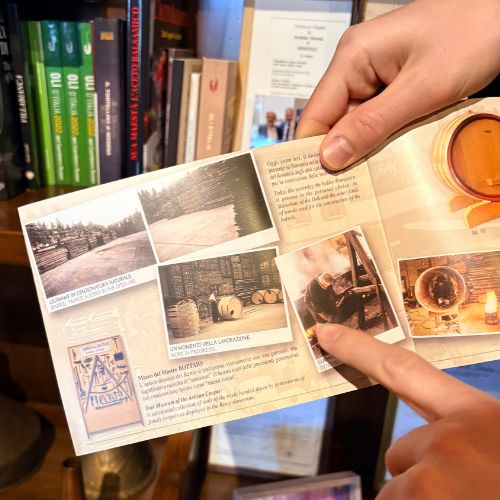
After fermentation and acetification, the liquid may enter wooden barrels, where the most visible changes begin. Wood allows micro-oxygenation. Evaporation reduces volume. Aromatic compounds integrate and settle. Over years, harsh edges soften and flavours gain continuity.
This is why any serious attempt to answer what is balsamic vinegar must acknowledge duration. Time is not simply waiting; it is an active ingredient. It reshapes density, colour, bouquet and persistence on the palate.
Longer aging often produces greater complexity, but complexity alone does not dictate value in the kitchen. A vibrant, younger style may provide lift and clarity in cooking, while an older expression might be reserved for finishing or contemplation in small amounts. Context remains decisive.
Traditional systems depend heavily on natural climatic rhythm. Warm months encourage activity and evaporation; colder periods slow development and stabilise the liquid. Producers adapt by transferring contents between barrels of different sizes, maintaining balance across the set.
In broader commercial environments, maturation can occur under more controlled conditions, shortening timelines and enabling consistent supply. These approaches respond to modern demand while remaining connected to the same conceptual foundation.
Both paths contribute to the diversity found within what is balsamic vinegar today. Understanding them reveals why bottles may differ so dramatically in texture, aroma and price, even while sharing a common heritage.
Geography plays a central role when discussing what is balsamic vinegar.
Historically, production developed in Emilia-Romagna, particularly around Modena and Reggio Emilia. Climate, local grape varieties, and family traditions shaped the method over centuries. Some products are still produced under strict geographical and legal frameworks tied to this region.
However, not every bottle connected to the name comes from the same system. The presence of a geographic reference does not automatically indicate long aging or traditional production.
This is where terms like balsamic vinegar of modena appear, referring to a regulated category that allows broader production while still maintaining a link to origin.
When evaluating what is balsamic vinegar, consumers must distinguish between geographic identity and production depth. The two are related, but not interchangeable.
Many people believe thickness alone defines quality. When asking what is balsamic vinegar, this is one of the most common misconceptions.
Thickness can be influenced by aging and evaporation, grape concentration and production technique
While long-aged products often become dense and glossy, not all thick balsamic vinegars are old, and not all excellent balsamic vinegars are thick.
Sweetness is another misunderstood factor. Natural grape sugars concentrate during cooking and aging, creating sweetness balanced by acidity. This balance, rather than sweetness alone, is central to understanding what is balsamic vinegar and how it should taste.
Quality is better assessed through balance, aroma, clarity of ingredients, and intended use rather than appearance alone.
Why understanding what is balsamic vinegar changes how you buy
The practical value of learning what is balsamic vinegar lies in making informed choices.
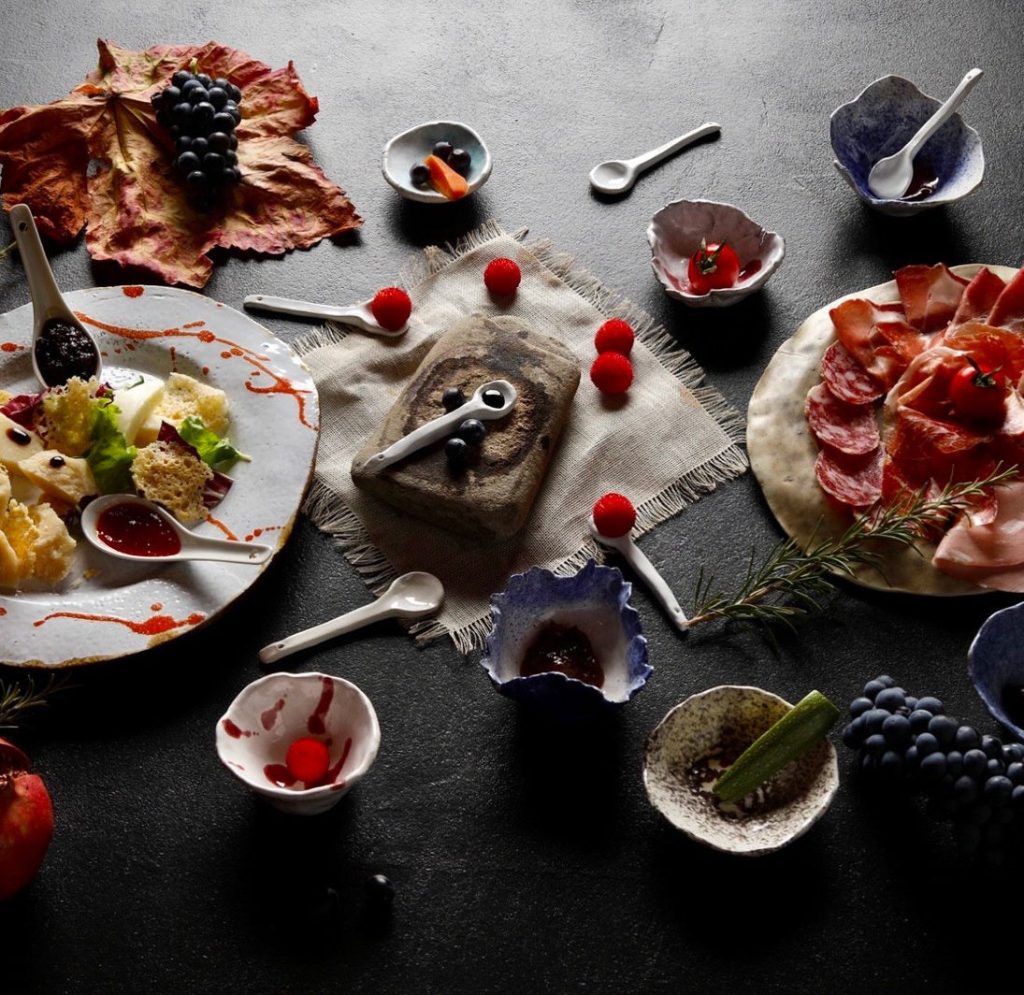
Different uses require different styles such as everyday cooking, finishing dishes, pairing with cheese or fruit, gifting or special occasions
A bottle designed for daily cooking is not inferior; it simply serves a different purpose than one aged for decades. Recognising this prevents disappointment and unrealistic expectations.
When consumers truly understand what is balsamic vinegar, price differences stop feeling arbitrary. Time, evaporation losses, regulation, and scale explain why costs vary so widely.
This knowledge also protects buyers from marketing claims that rely on confusion rather than transparency. Learning what is balsamic vinegar allows people to choose based on use, not hype.
Final clarification
Balsamic vinegar, is a product born from grapes, yet expressed through many legitimate categories.
Its identity changes according to ingredients, methods and, above all, time. Aging shapes texture, aroma and concentration, while different production philosophies determine how each bottle should be used.
When these principles become clear, the question of what’s balsamic vinegar stops feeling confusing. The category becomes practical, readable and logical rather than mysterious.
This understanding is the reason Balsamic Vinegar Hub exists: to replace uncertainty with knowledge, allowing both consumers and future retailers to choose with confidence instead of guesswork.
What is balsamic vinegar made from?
Balsamic vinegar originates from grape must. Depending on the category, wine vinegar may also be present. Production rules, proportions and aging periods define the final profile.
Is balsamic vinegar the same as wine vinegar?
No. Wine vinegar derives from fermented wine, while balsamic vinegar begins with grape must and may include additional maturation requirements.
Why is balsamic vinegar sweet?
Natural sugars in grape must concentrate during cooking and aging, creating sweetness balanced by acidity.
Why is some balsamic vinegar expensive?
Extended aging, evaporation losses and regulated origin systems reduce available volume and increase labour, which affects price.
Does thicker balsamic vinegar mean it is better?
Density can indicate concentration but not necessarily quality or suitability.
Does balsamic vinegar go off?
Because it is a product of controlled fermentation and acidity, it remains stable for long periods when stored correctly. The shelf life, when is sealed is normally around 10 years since it was bottled.
Does thicker balsamic vinegar mean it is better?
Density can indicate concentration but not necessarily quality or suitability.
What do DOP and IGP mean?
They refer to European quality schemes that regulate origin and production standards. DOP vs IGP Explained
Does thicker balsamic vinegar mean it is better?
Density can indicate concentration but not necessarily quality or suitability.